

 Publié par
And honestly, there is no problem with that if it’s not a key part of your job. I’m warning others, as strongly as I possibly can based on my expertise and experience, to not heed your advice when it comes to applying US GAAP accounting principles (which, by the way, ARE rules). You should never pick and choose which accounting principles to follow and which, based on your opinion, shouldn’t be followed. All the disclosure in the world can’t change the mis-application of an accounting principle. By laying financials out like this, stakeholders gain a clearer picture of asset values and how they change over time. Instead of reducing AR directly, a contra account called Allowance for Doubtful Accounts is used.

What are some examples of contra accounts?
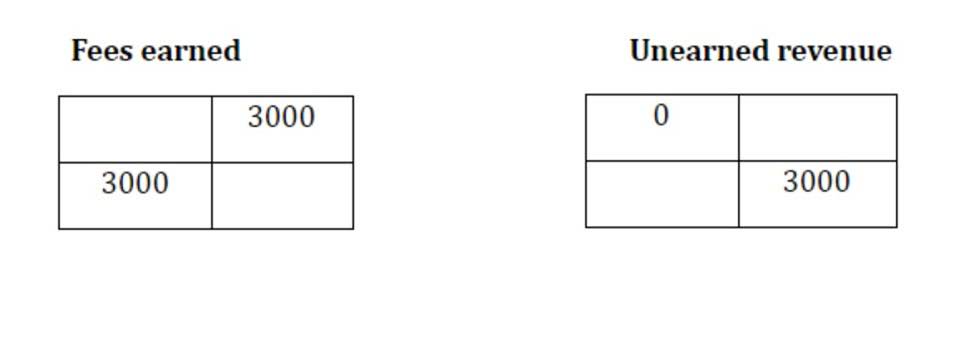
CCC bought equipment and machinery worth $100,000 at the beginning of the current financial year and estimates that the equipment and machinery will depreciate by $10,000 every year. Precision in recording these transactions is vital for providing stakeholders with reliable information for decision-making and assessing the overall financial performance of the organization. As a seasoned financial professional with over 20 years of experience, I specialize in strategic financial leadership and guidance for growing businesses.
- The purpose of contra accounts is to provide more clarity and transparency in financial reporting.
- This opposite treatment applies across other categories as well, with contra liabilities, contra revenues, and contra equity accounts all carrying debit balances.
- CCC estimates that 5% of accounts receivable will most likely be unrecoverable.
- Contra expense accounts, however, function as a checks and balances system for your expenses.
- Accruing tax liabilities in accounting involves recognizing and recording taxes that a company owes but has not yet paid.
What Happens When Stock is Delisted
Contra expense accounts, however, function as a checks and balances system for your expenses. https://errands.thebroadstreets.com/5-1-accounting-foundations-introduction-to/ These accounts maintain a normal credit balance, effectively reducing the balance of your expense accounts. This mechanism ensures that your financial statements provide a precise representation of your business’s financial position.
Let’s delve into these types with illustrative Contra Entry Examples:
- The balance is held as a current liability (credit) on the balance sheet of the business.
- The purpose of a contra expense account is to record a reduction in an expense without changing the balance in the main account.
- A contra account is a general ledger account that has a balance opposite to its paired account, typically used to reduce the carrying value of that account.
- It’s essentially a reverse investment; instead of pouring money in, the company is taking it back, reflecting a decrease in shareholders’ equity.
This account is not classified as an asset since it does not represent a long-term value. It is not classified as a liability since it does not constitute a future obligation. The contra asset account Accumulated Depreciation is deducted from the related Capital Assets to present the net balance on the parent account in a company’s balance sheet. Income statements also use contra accounts to show deductions from gross revenue.
When to Use a Contra Expense Account
To compensate for those potential deadbeat customers, you can use a Bad Debts account to serve as a contra for your A/R. Analyze trends in returns, allowances, or bad debt over multiple https://www.bookstime.com/ years to anticipate cash flow challenges and plan for seasonal or operational risks before they impact your business. Years ago, a mid-sized electrical contracting client of ours was struggling with profitability despite seeing strong sales numbers. Their income statement showed $2.5 million in sales, but their net sales were only $2.1 million. A contra account is simply a way accountants keep track of reductions without messing up the main numbers. As a principle IMHO it is wrong because most readers of financial statements (i.e., investors and creditors) never hear of, nor really care about EITF 01-14.
- Contra Journal entries examples illustrate the diverse scenarios where these entries come into play.
- In response to Wayne’s post, a positive margin is not a requirement for revenue recognition in any existing accounting literature.
- For example, if a company has an Accounts Receivable balance of $85,000 and estimates that 1% of that amount will become bad debt, the Allowance for Doubtful Accounts would be $850.
- They play a vital role in accurately capturing and balancing internal movements of funds within an organization.
- However, they can also help to offset the impact of regular expenses and can improve a company’s overall financial performance.
- If you debit the contra account, ensure that you offset the related account with a credit balance.
Key Points About Contra Accounts
Common contra asset accounts include accumulated depreciation, allowance for doubtful accounts, and accumulated amortization. Properly documenting these contra accounts in your ledger can sometimes feel counter-intuitive since contra expense they operate in an opposite manner from their parent accounts. Consider an asset account, where the values are listed as debits, and the account itself will present a positive total. Conversely, for a contra asset account like depreciation, you would list all entries as a credit, carrying a negative total balance for the overall account.

Contra liability accounts
Namely, within a ledger, each account is intended to contain transactions and balances of a similar type only. But sometimes, dissimilar transactions are important to consider together within a ledger. A contra account is an asset account that is kept at either a negative or zero balance and is used on a balance sheet to offset the positive balance of a paired asset. To put it another way, a contra account is an account listed within a general ledger with the purpose of capturing the reduced value of a paired or related account when the two are added together. Contra accounts play a vital role in accurate financial reporting by offsetting related accounts to reveal true asset, liability, equity, and revenue values. They maintain transparency by showing both gross balances and adjustments, helping stakeholders better assess financial health.
In financial accounting, purchase returns and allowances account is used when a company returns goods to a supplier due to defects or other issues. Contra expense accounts are used in double entry bookkeeping to reduce the total cost of expenses. Contra expense accounts play a role in enhancing the transparency of financial reporting by clearly delineating reductions in expenses. This transparency is crucial for maintaining the trust of investors, creditors, and other stakeholders. Master the fundamentals of financial accounting with our Accounting for Financial Analysts Course.

→ A LIRE AUSSI : Chart of Accounts Setup for a Real Estate Management Company
